
In a digital era driven by algorithms, instant news, and short-form content, it’s easy to overlook the power of traditional formats like television. But not all TV is traditional—and not all shows simply report the news. Some help set the agenda. Business Today is one of those shows.
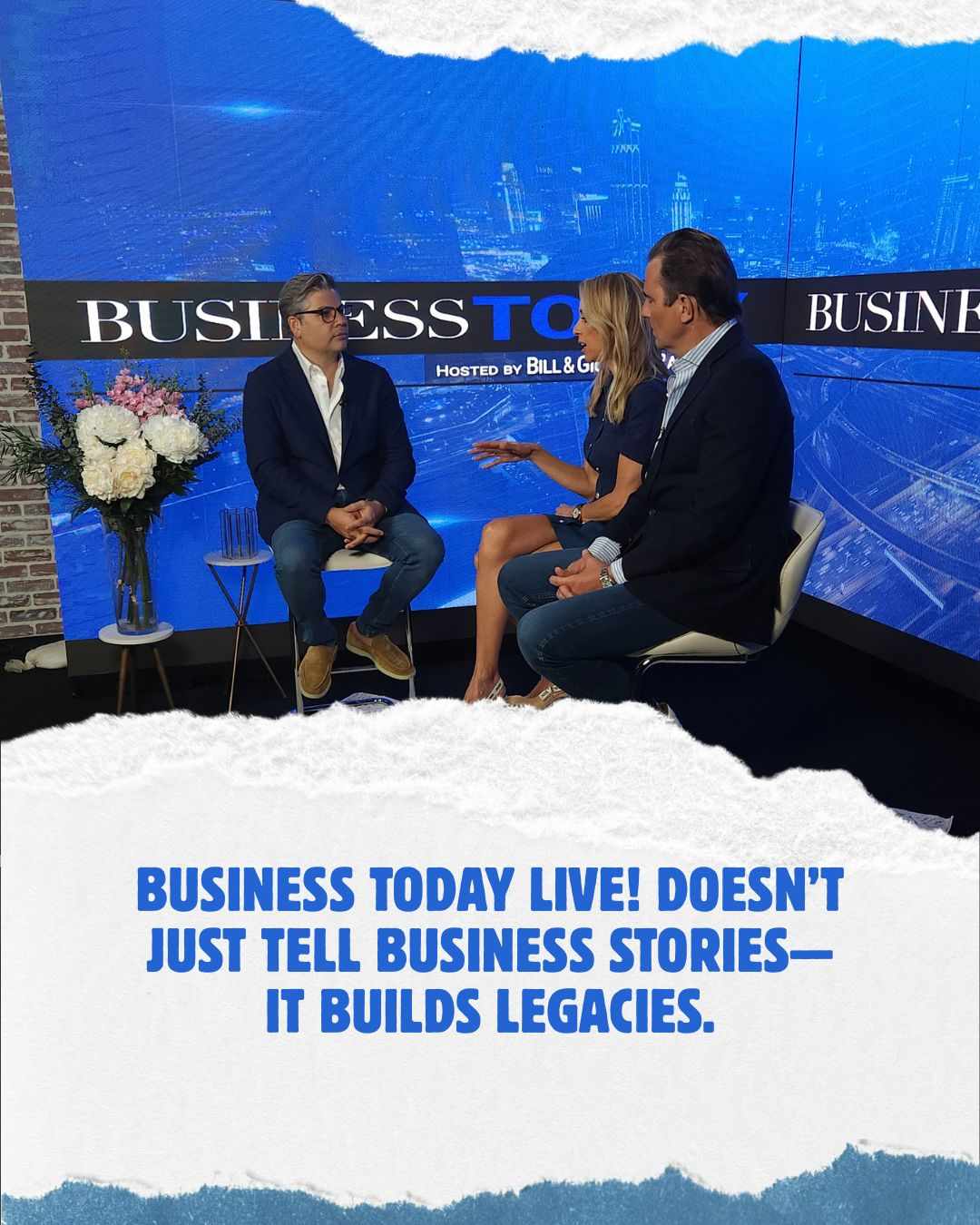
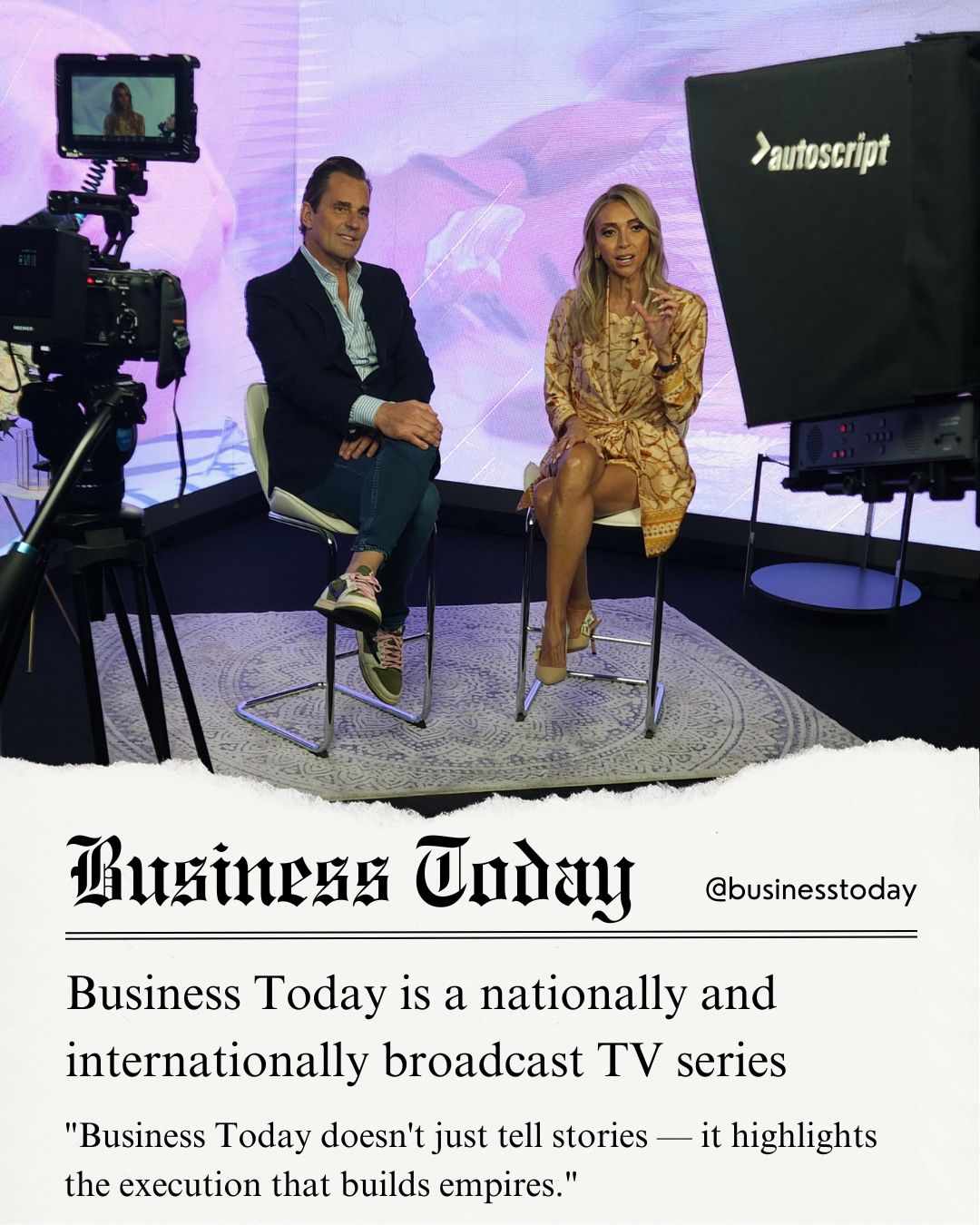
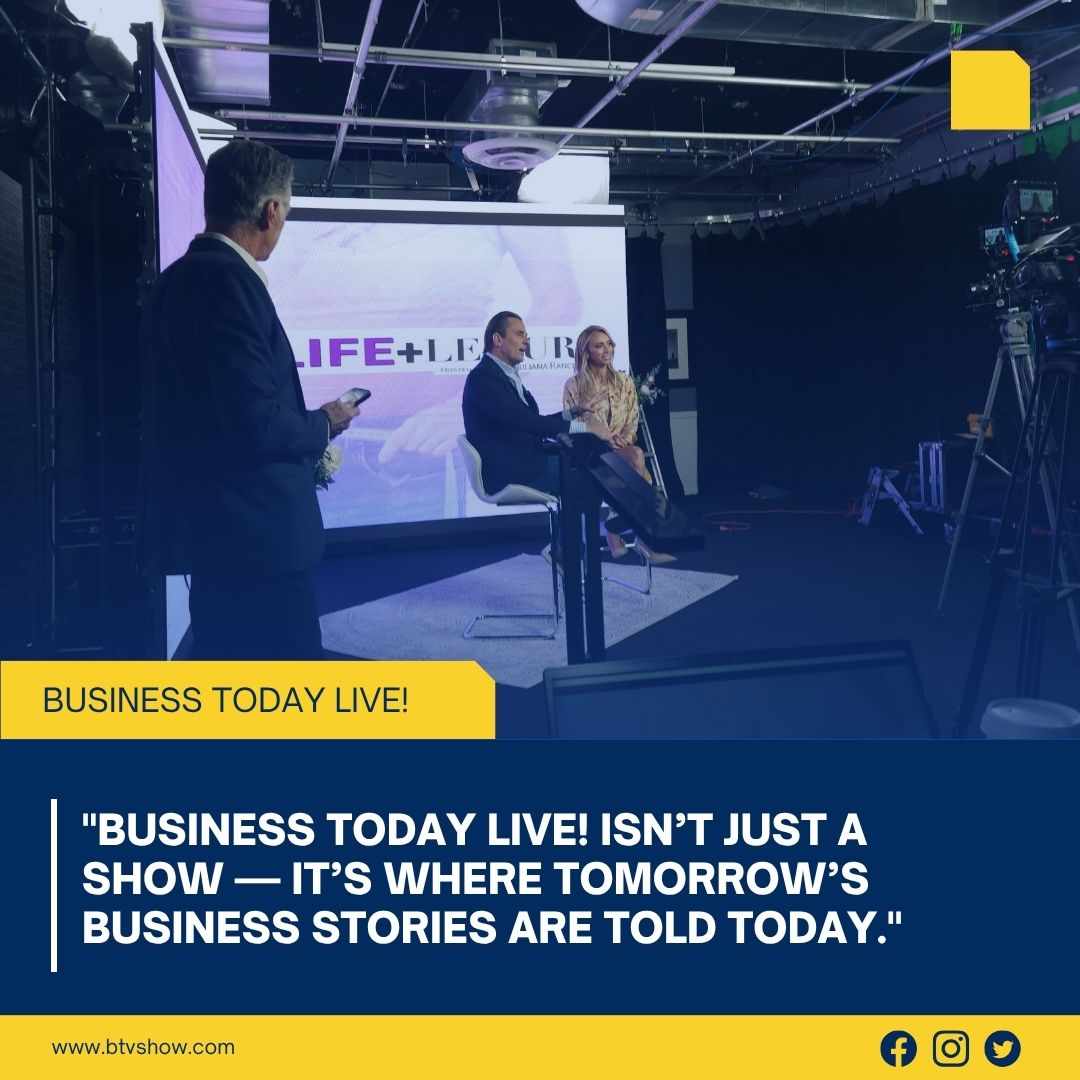
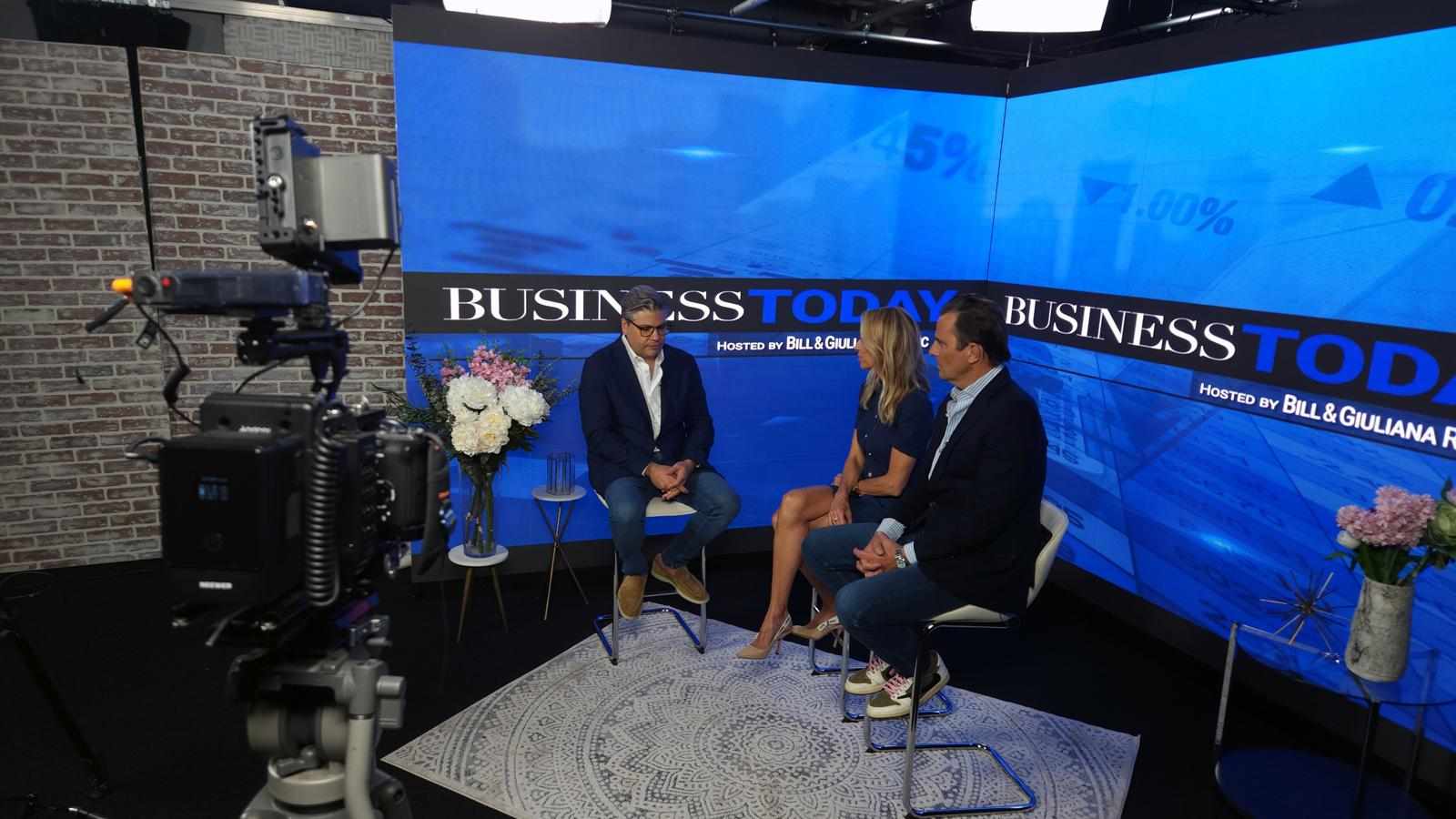
Airing weekly on Fox Business Network and Bloomberg International, Business Today Live!, hosted by Bill and Giuliana Rancic, does more than feature companies—it influences how we think about growth, innovation, and leadership. It curates stories that subtly shift the business narrative, giving visibility to emerging sectors, startup movements, and future-forward leadership models.
This post explores how shows like Business Today aren’t just mirrors of industry—they’re trendmakers that help shape the global conversation around what business is, and what it’s becoming.
Media Doesn’t Just Reflect Business—It Defines It
To understand the influence of a business show, we first have to understand the psychology of visibility. Humans take cues from their environment—what’s featured, what’s talked about, what’s celebrated.
When a startup is spotlighted on a major platform, or a founder’s values are broadcast globally, it has a cascading effect:
Investors start looking for similar models.
Entrepreneurs follow the blueprint.
Industry leaders begin integrating new approaches.
In that way, shows like Business Today don’t just document innovation—they help legitimize it.
If Shark Tank helped mainstream entrepreneurship, Business Today helps shape how we define successful entrepreneurship in this decade—global, human-centered, purpose-driven, and rooted in real-world impact.
The Quiet Power of Curation
One of the most underrated powers of media is curation—the editorial decisions that determine who gets featured and what stories are told. That gatekeeping function carries real influence.
Business Today doesn’t just select companies based on revenue or hype. It looks for stories with depth—brands that are tackling real problems, using innovation responsibly, and demonstrating sustainable growth.
This selective spotlighting means the show acts as a filter. Viewers aren’t just watching business highlights; they’re being shown what matters—and more importantly, what’s next.
As a result, trends don’t just appear—they are amplified.
Whether it’s the rise of clean-tech startups, the mainstreaming of mental health solutions in leadership, or the global expansion of minority-owned brands, platforms like Business Today are often early adopters of these themes in media storytelling.
Shaping the Narrative Around the Modern Entrepreneur
The term “entrepreneur” has evolved. Once synonymous with risk-taking inventors or corporate escapees, it now includes creators, technologists, social activists, and visionary operators across every sector.
Shows like Business Today help reinforce this broadened identity.
By featuring founders from diverse industries—healthcare, fintech, fashion, green energy, logistics—the show paints a picture of entrepreneurship as a universal force, not just a Silicon Valley game. It humanizes the journey, putting equal emphasis on mission and margin.
This matters. Representation in business media shapes aspiration. When viewers see entrepreneurs who look like them, or who care about the same causes, they’re more likely to step into leadership roles themselves.
As we navigate a more inclusive business era, platforms like Business Today are playing a role in reshaping who we believe can succeed—and how.
The Intersection of Media and Trend Acceleration
Let’s look at real-world examples. Over the past five years, we’ve seen rapid adoption of concepts that once felt niche:
Remote-first workplace cultures
Eco-conscious consumer products
Women-led investment funds
DEI-centric hiring practices
AI-powered customer experiences
While these trends were already bubbling beneath the surface, their mass adoption often hinged on visibility. And that’s where programs like Business Today become part of the growth engine.
By broadcasting these innovations in a narrative format—complete with founder interviews, customer impact stories, and visual storytelling—such shows transform abstract trends into human stories. That’s what makes them stick.
As a result, the gap between emerging idea and market momentum shrinks.
What Business Today Teaches Us About the Future of Influence
Traditionally, influence in business came from three places: capital, market share, and legacy. But in today’s digital-first, media-saturated world, there’s a fourth pillar: narrative influence.
The companies that win today are often the ones who:
Control their story
Show up on the right platforms
Resonate with both heart and intellect
This is the real value of media presence—not just “coverage,” but the ability to shape how the world sees your mission.
Business Today has mastered the art of combining editorial insight with global reach. Its features go beyond surface-level metrics and look at the DNA of companies that are shifting how business gets done.
And by doing so, it elevates these companies from players to trendsetters.
Case in Point: Human-Centered Leadership
One of the most consistent themes across Business Today episodes is the rise of human-centered leadership—founders who lead with empathy, invest in culture, and build mission-aligned companies.
These aren’t just feel-good stories. They reflect a broader trend: stakeholders now value emotional intelligence as much as operational excellence.
When these values are given airtime on international networks, they move from “niche philosophy” to “mainstream expectation.”
This is how media changes culture. It doesn’t just highlight what’s happening—it helps define what’s normal.
Why Storytelling Will Define the Next Decade of Business
In a crowded, commoditized economy, the edge no longer belongs to whoever has the biggest budget—it belongs to whoever tells the most meaningful story.
And business television—when done right—is storytelling at scale.
Business Today leverages that truth by focusing not only on product innovation, but on founder intention. What problem are they solving? Why did they start? How do their values influence their company culture?
These aren’t marketing questions. These are market questions. Because consumers now buy based on belief, not just benefit.
As the business world continues to humanize, shows that lead with narrative will shape the kinds of companies that rise to the top.
Final Thoughts: From Screens to Systems
What begins as a segment on TV often ends up as a business trend, a market shift, or a movement. That’s the quiet, systemic power of media.
Business Today reminds us that visibility isn’t just about attention—it’s about intention. When business storytelling is handled with integrity, it doesn’t just inform audiences—it moves industries forward.
In the coming years, more founders, investors, and policymakers will look to platforms like this—not just for news, but for signals about where the future is headed.
Because behind every headline, pitch, or product launch, there’s a story. And when the right ones are told well, they shape what comes next.



Write a comment ...